
-
Your cart is currently empty.
From Graveside to Gifting: How flowers stopped being goodbye and started being everything else.
by Amishi Sota May, 01 , 2026
Now delivering in Chandigarh, Jaipur & Dehradun

For most of human history, flowers were for the dead.
In ancient Egypt and Greece, blooms were laid on graves as offerings. By the Victorian era, funeral wreaths had become elaborate, symbolic productions — the grandest floral arrangements most people ever received. If someone handed you something truly spectacular, there was a reasonable chance you weren't around to appreciate it.
Flowers were beautiful. But they were mostly goodbye.
Then came floriography, the Victorian obsession with flower language. Every bloom carried a meaning. A red rose said love. A lily said purity. A chrysanthemum said mourning. An entire coded vocabulary, passed between people who found saying things out loud a little too direct. Even then, the grandest gestures were reserved for ceremony. Spontaneous appreciation needed no occasion & was quietly rare.
In 1913, a poem by Reverend Charles Noyes Whedon put it plainly: Give me my flowers while I'm living. If you have something kind to say, say it now. Not at the eulogy. While they can actually hear it.
Decades later, hip-hop and R&B picked the phrase back up, artists using it to acknowledge influence and legacy while the people being honoured were still around to receive it. Because recognition hits differently when you can actually nod, or pretend you weren't moved.
Somewhere along the way, flowers escaped the funeral parlour. Bouquets started appearing for birthdays, promotions, apologies, and ordinary Tuesdays with no particular agenda. A quiet but significant realisation: you don't need a tragedy to justify tenderness.
So send the flowers. Say the thing.
Because the best time to give someone their flowers is when they can look at you, roll their eyes, and say stop it, while quietly hoping you never do.
There's always room for one extra treat :)
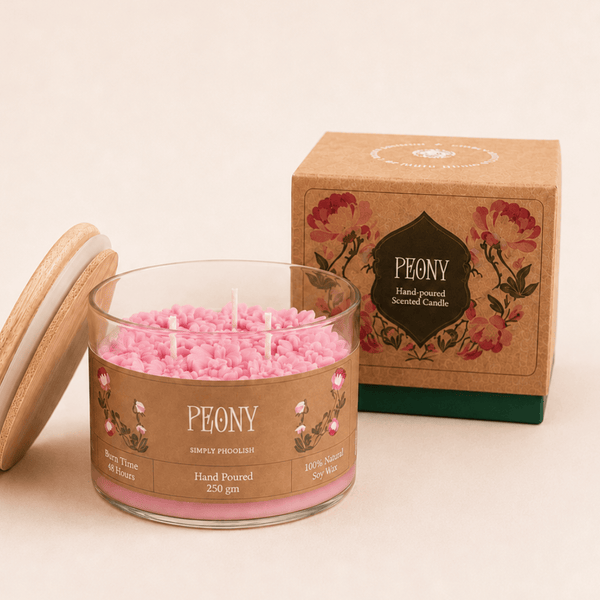 Peony Soy Candle
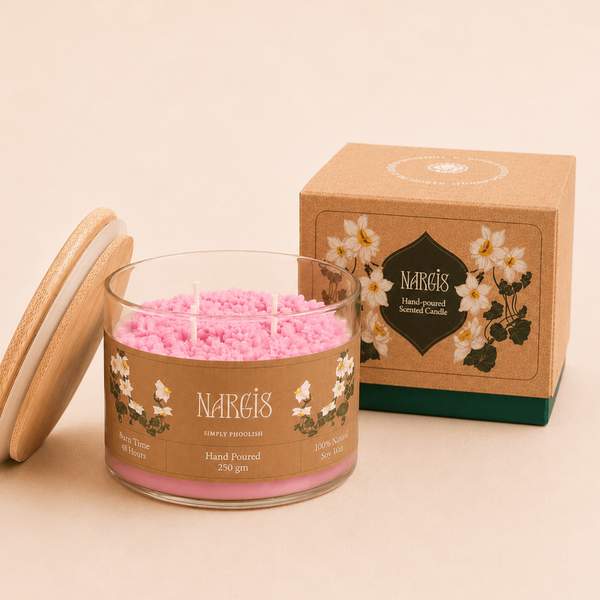 Nargis Soy Candle
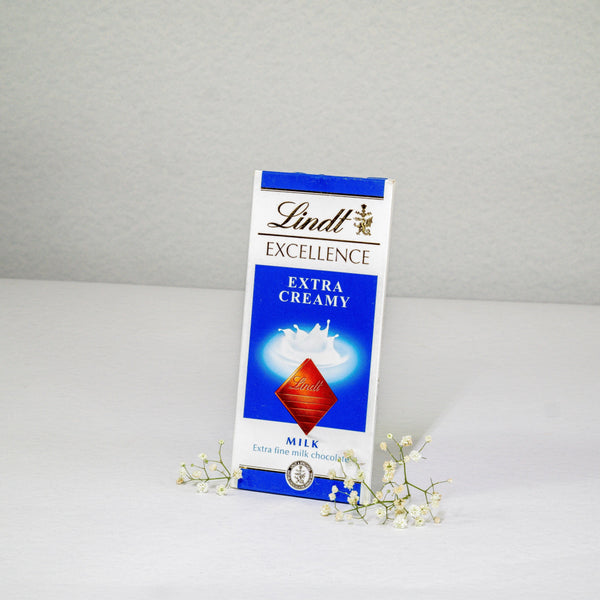 Lindt Milk Chocolate Bar
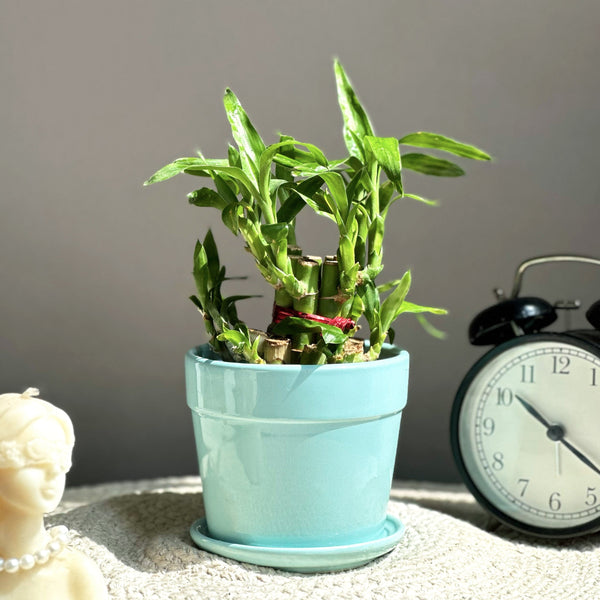 Lucky Bamboo Plant
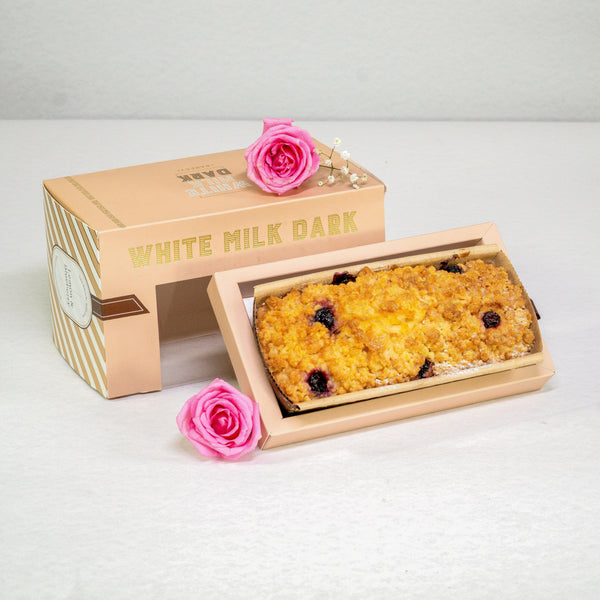 Lemon Blueberry Pound (450gm)
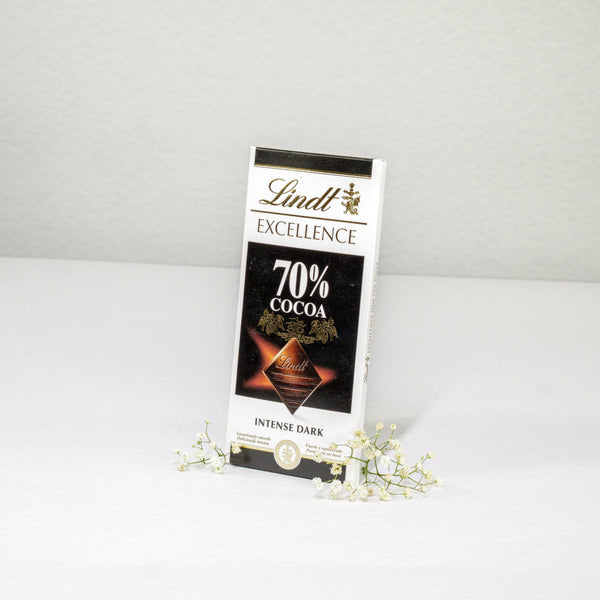 Lindt 70% Dark Chocolate
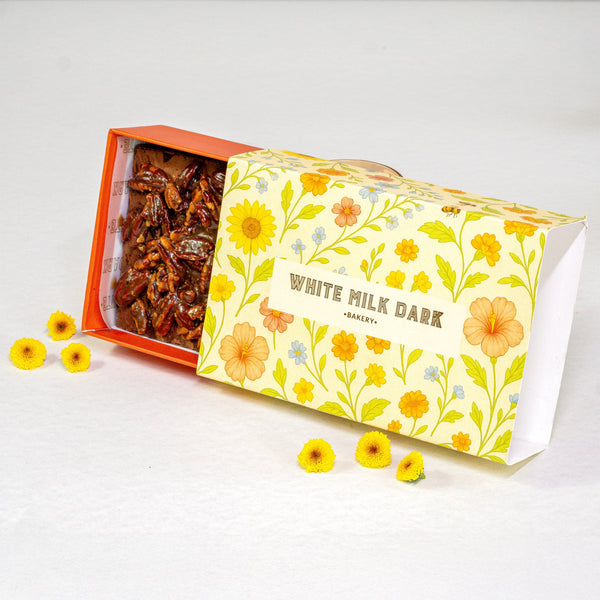 Pecan Belgian Brownie (475 gm)
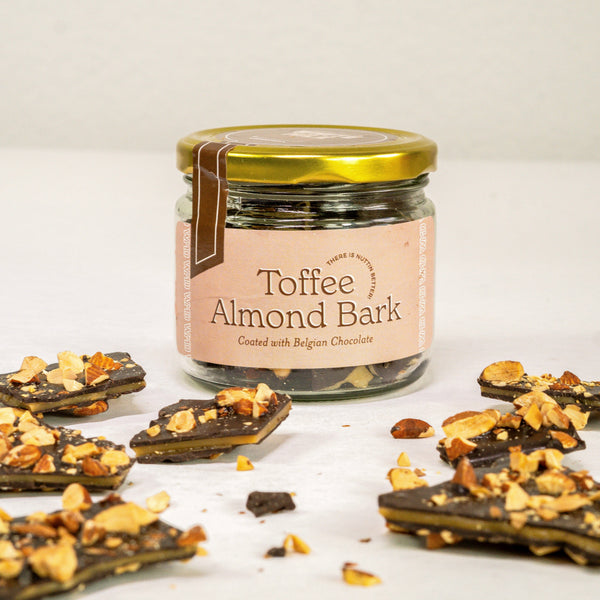 Toffee Almond Bark
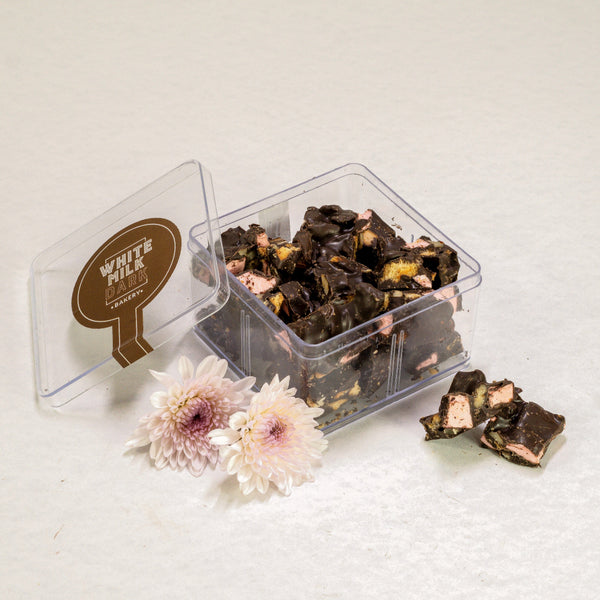 Rocky Road
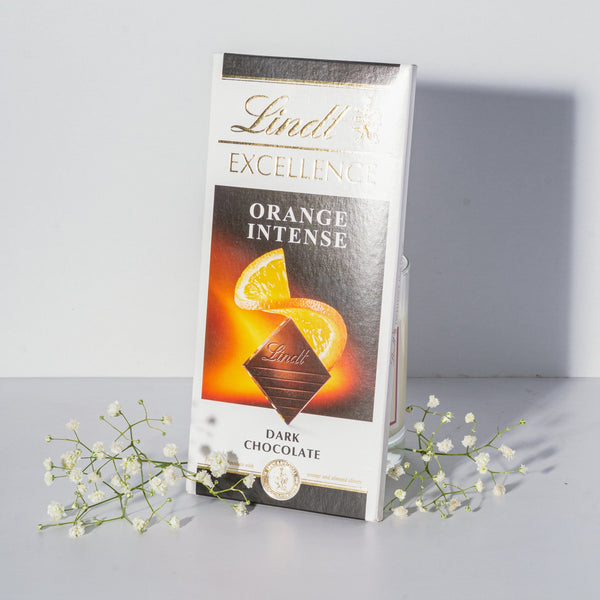 Lindt Orange Intense Dark Chocolate
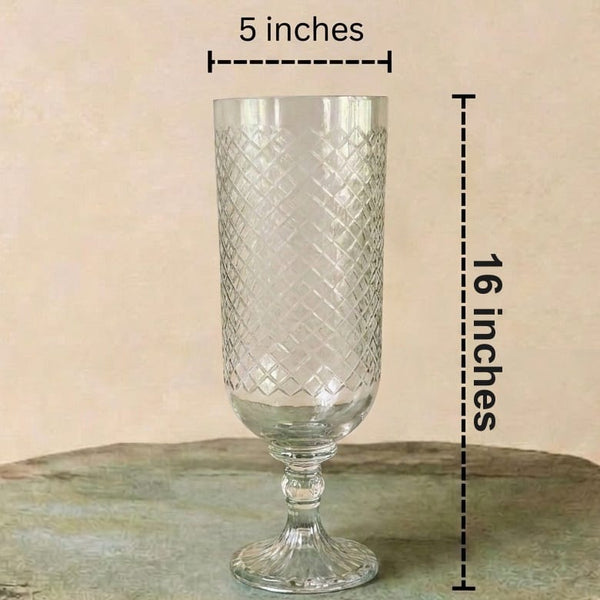 Crystal Vase v2
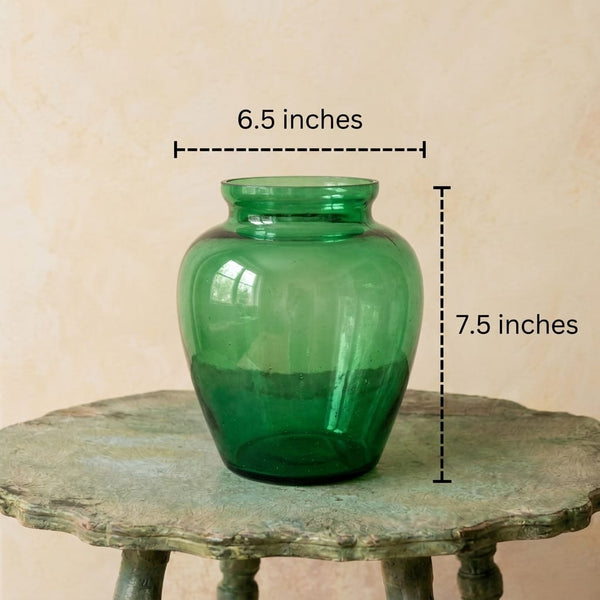 Green Glass
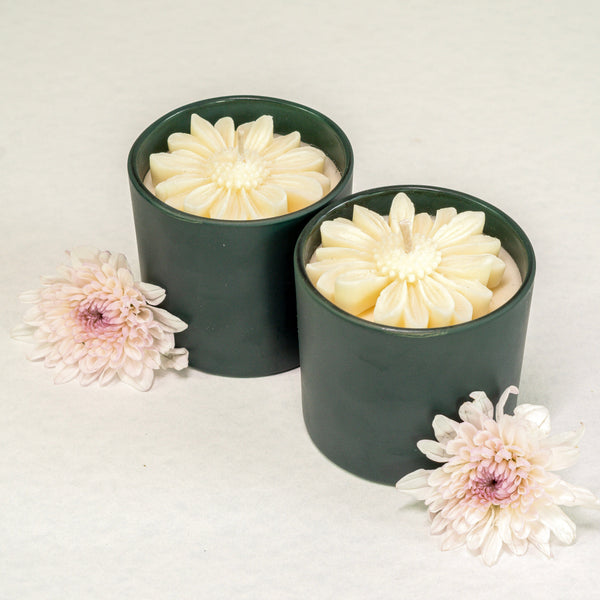 Set of 2 Soy Candles
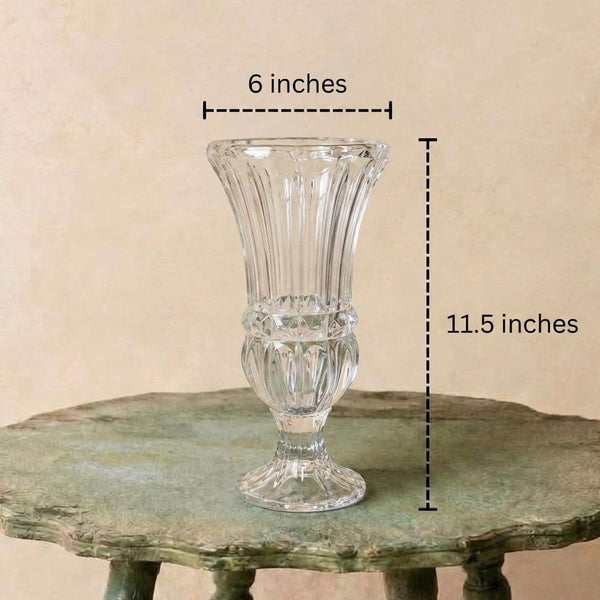 Crystal Glass V1
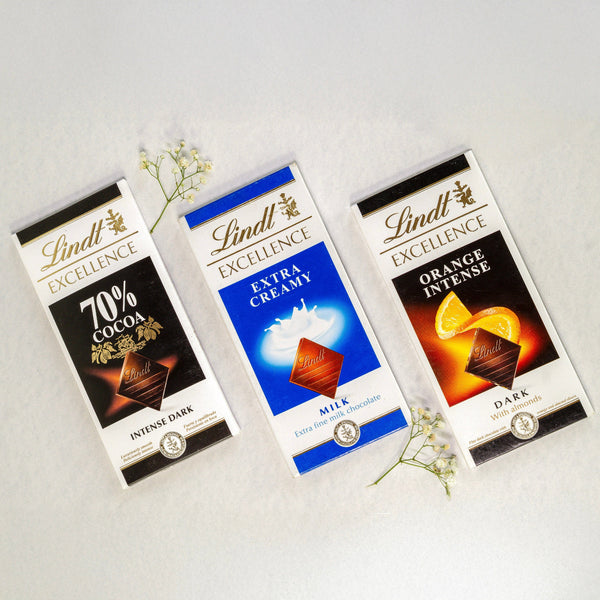 Trio of Lindt Chocolates
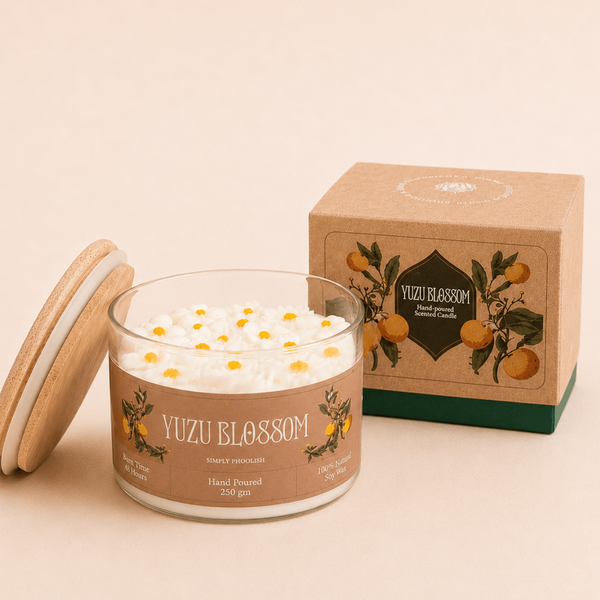 Yuzu Blossom Scented Candle
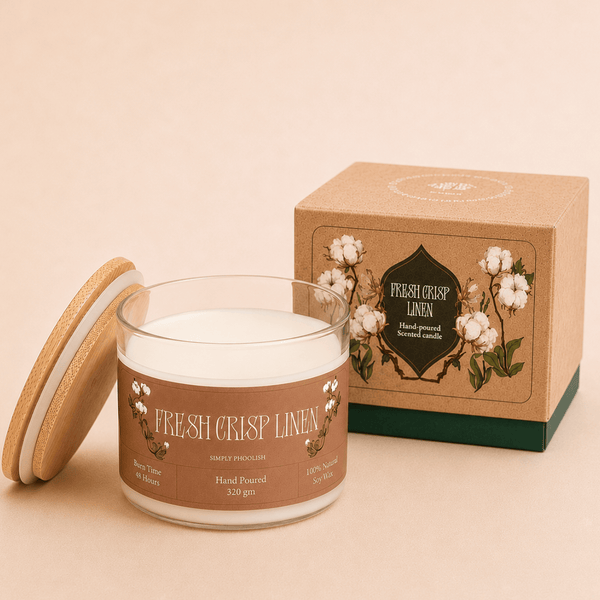 Crisp Linen Scented Candle
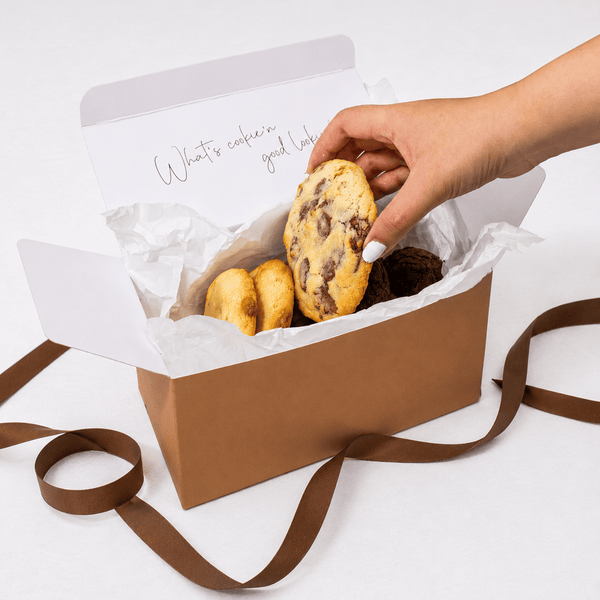 Assorted Cookies (pack of 6)
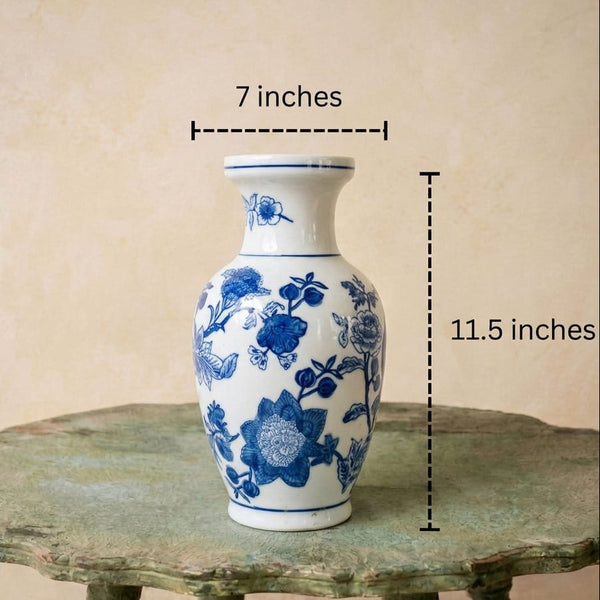 Ceramic Blue v1
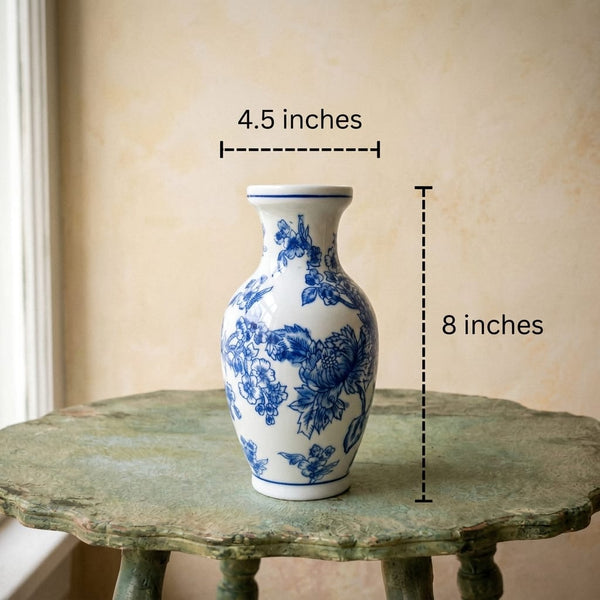 Ceramic Blue v2
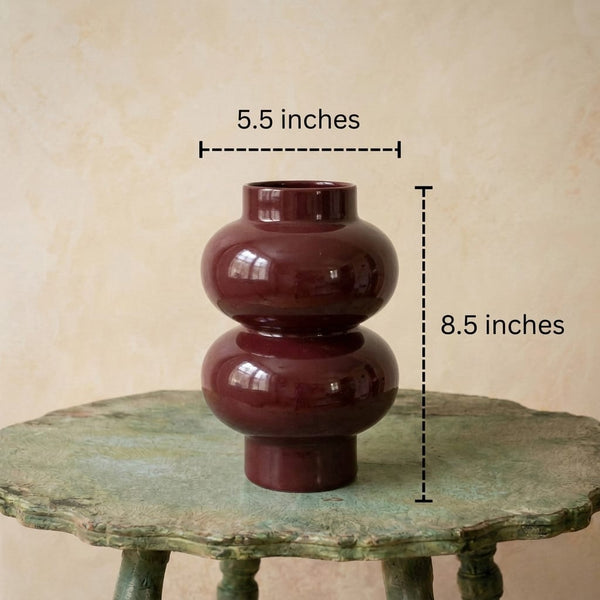 Ceramic Autumn
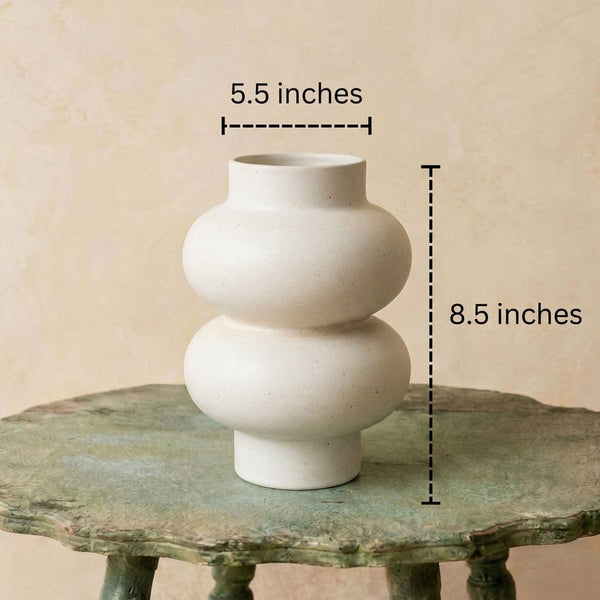 Ceramic Matte
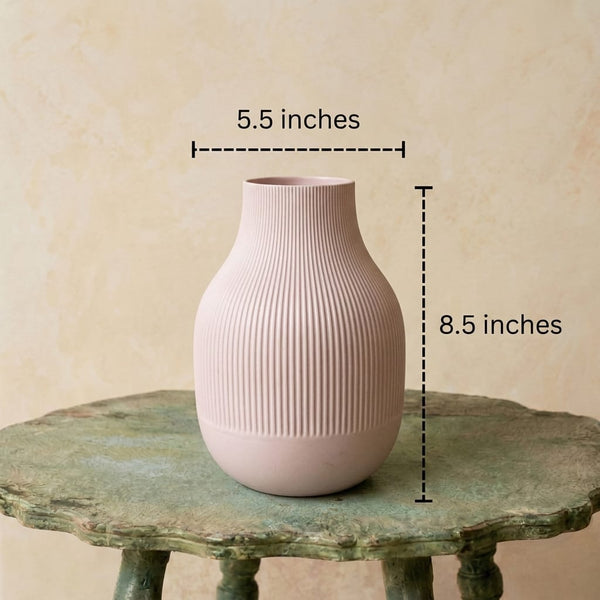 Ceramic Groove
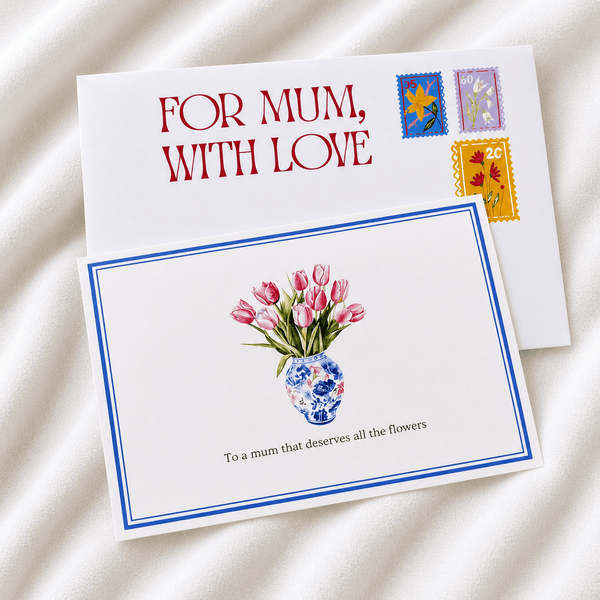 For your Mum
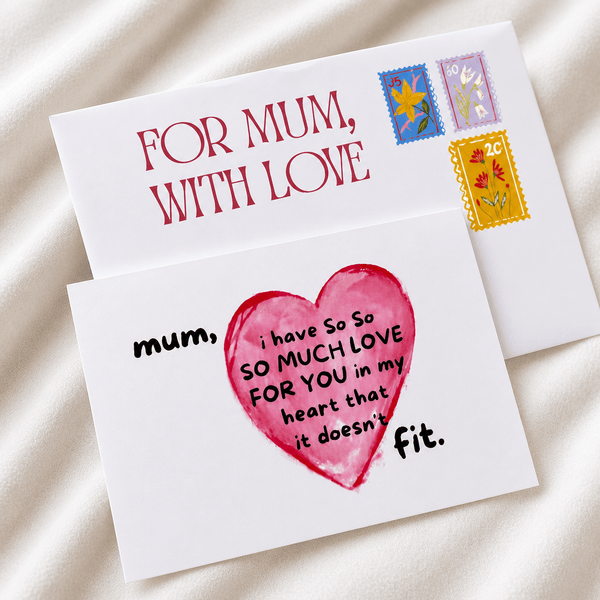 For Your Ma
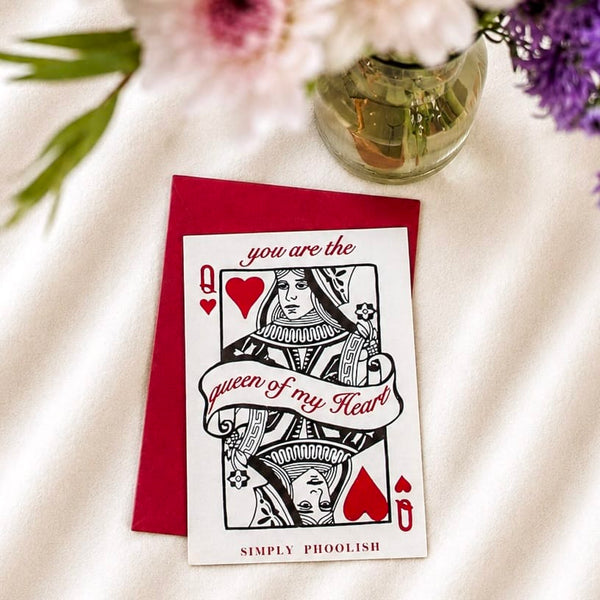 Queen of ❤️ Card
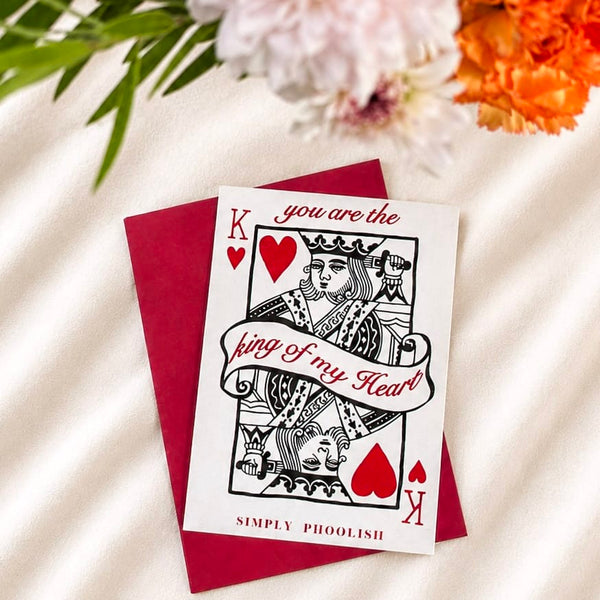 King of ❤️ Card
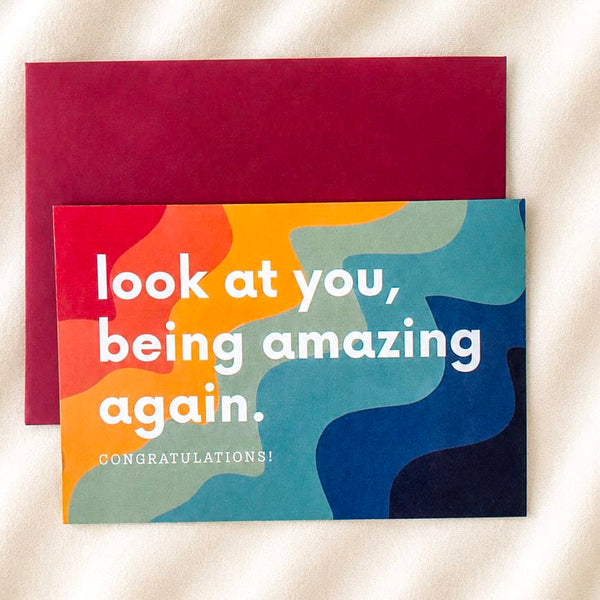 Congratulations
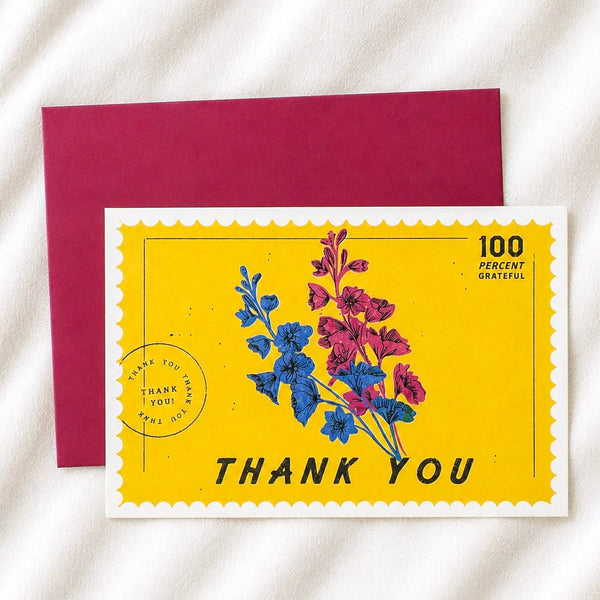 Thank you
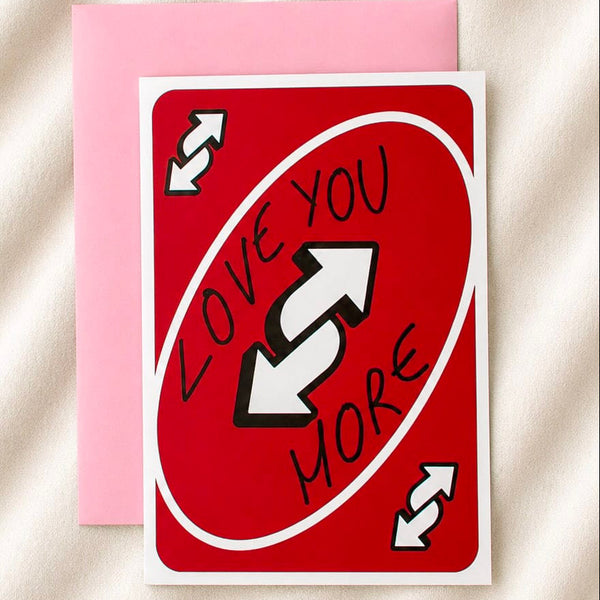 Love You More